


News
Why Phone Screens Crack – Impact, Materials, and Prevention
Every british DIY repair enthusiast knows the frustration of a suddenly cracked smartphone screen—around 50 percent of broken phones in the United Kingdom involve display damage. Understanding what makes these high-tech screens so fragile can transform your repair approach and help you avoid repeat accidents. This guide unpacks the science behind screen materials and modern build techniques, giving you practical insights for safer repairs and longer-lasting results.
Table of Contents
- How Modern Phone Screens Are Made
- Material Science Behind Screen Fragility
- Types Of Glass Used In Smartphones
- Real-World Causes And Risk Factors
- Common Mistakes Leading To Cracks
- Ways To Prevent Screen Damage
Key Takeaways
| Point | Details |
|---|---|
| AMOLED Technology | Modern smartphone screens leverage AMOLED technology for superior colour and energy efficiency through organic light-emitting diodes. |
| Importance of Glass Durability | The durability of screens is enhanced by advanced materials like Gorilla Glass, which significantly increases resistance to impacts and scratches. |
| Handling Practices | User behaviours, such as storing phones without cases or carrying them in back pockets, can cause preventable damage and should be avoided. |
| Preventative Measures | Utilizing protective cases and screen protectors, along with mindful handling, can significantly mitigate the risk of screen damage. |
How Modern Phone Screens Are Made
Modern smartphone screens represent an extraordinary fusion of advanced materials science and intricate engineering. AMOLED technology has revolutionised display manufacturing, utilising an active matrix of organic light-emitting diodes deposited precisely on thin-film transistor (TFT) arrays. This sophisticated process allows for incredibly detailed pixel control, enabling smartphones to produce vibrant, high-resolution images with remarkable energy efficiency.
The manufacturing process begins with creating a flexible substrate, typically made from glass or specialised polymers, which serves as the foundational platform for the display. Manufacturers deposit multiple layers of organic compounds that emit specific colours when electrically stimulated. These organic layers are incredibly thin - often measuring mere nanometres - and require extraordinary precision during application. Polycrystalline and amorphous silicon technologies play crucial roles in fabricating the intricate backplane structures that manage electrical current distribution across each individual pixel.
Screen production involves several complex stages, including photolithography, vapour deposition, and precise alignment of microscopic components. Manufacturers like Samsung pioneered commercial AMOLED displays in the early 2000s, transforming how we experience visual information on mobile devices. Each screen requires multiple specialised layers: a protective glass or polymer cover, touch-sensitive circuits, colour filters, and the underlying organic light-emitting pixel matrix. The entire process demands cleanroom environments with stringent contamination controls to ensure consistent quality and performance.
Pro tip: When assessing smartphone screen quality, examine how uniformly colours are displayed across different brightness levels and check for any pixel inconsistencies or colour bleeding.
Material Science Behind Screen Fragility
The durability of smartphone screens hinges on complex material properties that determine their resistance to mechanical stress. Glass fragility represents a critical scientific concept describing how abruptly materials transition between solid and liquid states under different environmental conditions. Microstructural characteristics like atomic bonding, density, and network topology play pivotal roles in determining whether a screen will shatter or flex during impact.
Scientific research reveals that screen materials are not uniform in their structural composition. The structural topology of glass networks determines its fundamental mechanical behaviour, with variations in atomic connectivity directly influencing how materials respond to mechanical stress. Strong glass formers exhibit more robust intermolecular bonds, creating a more resilient matrix that can absorb and dissipate energy more effectively than fragile glass compositions.
Modern smartphone manufacturers have responded to these material science challenges by developing multilayered screen technologies. These advanced screens typically incorporate strengthened glass with additional polymer layers, creating a composite material that can better distribute impact energy. Gorilla Glass and similar branded technologies represent commercial applications of these scientific principles, using precision-engineered materials that balance transparency, conductivity, and mechanical strength.
Pro tip: When purchasing a smartphone, examine the screen’s rated drop and impact resistance to understand its underlying material science performance.
Types Of Glass Used In Smartphones
Gorilla Glass represents the gold standard in smartphone screen materials, a chemically strengthened alkali-aluminosilicate glass engineered for exceptional durability. This specialised glass undergoes a sophisticated ion-exchange process that replaces smaller sodium ions with larger potassium ions, creating a robust compressive stress layer that dramatically enhances the screen’s resistance to scratches, impacts, and everyday wear.
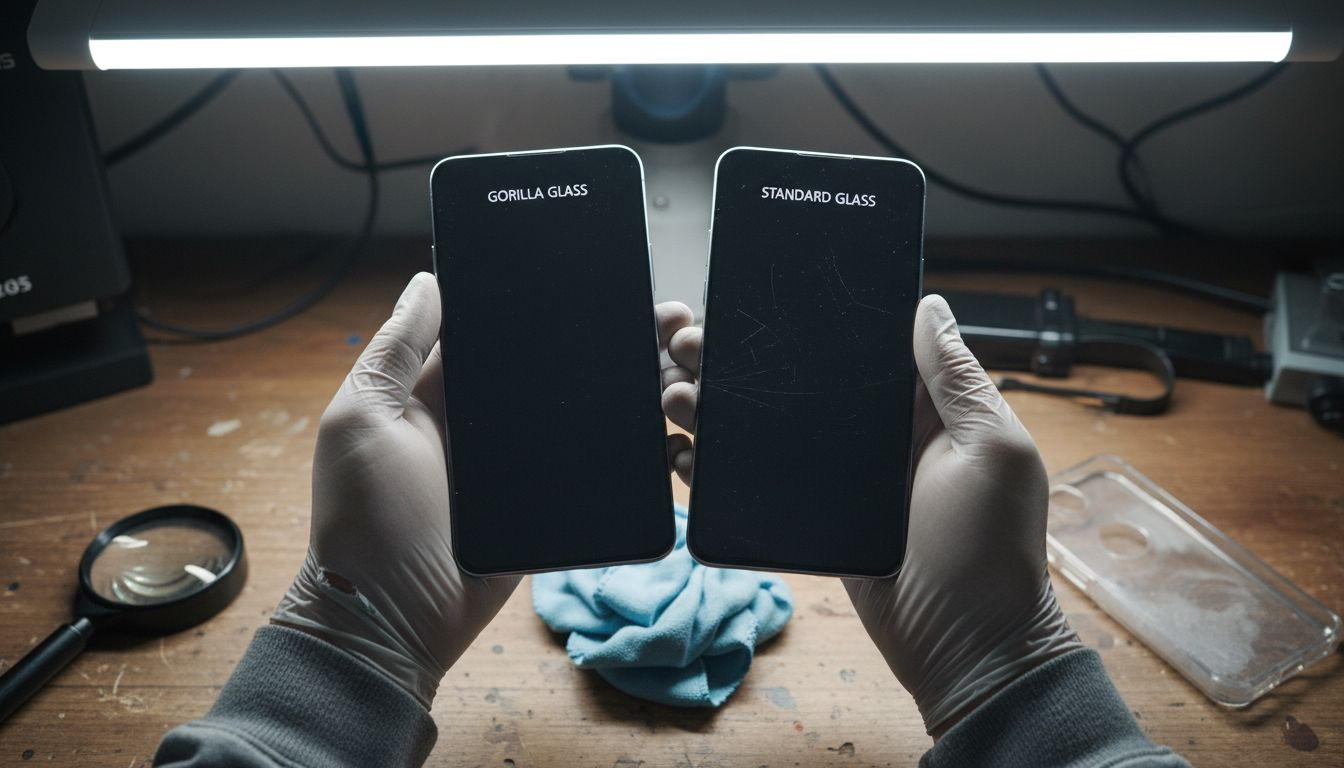
Smartphone manufacturers globally source glass materials comprising primarily quartz (silicon dioxide) and aluminum oxide, which form the foundational structure of modern device screens. Global smartphone glass production involves immersing these base materials in molten potassium salts, a treatment that substantially increases the glass’s mechanical strength. This complex manufacturing process transforms ordinary glass into a high-performance material capable of withstanding significant mechanical stress while maintaining optical clarity.
Beyond Gorilla Glass, manufacturers have developed alternative glass technologies like Dragon Trail Glass and Sapphire Crystal, each offering unique protective characteristics. These advanced materials differ in their chemical composition, ion-exchange processes, and additional reinforcement techniques. Some premium smartphones even incorporate multi-layer glass composites that combine different material properties to maximise screen durability, integrating polymers and specialised coatings to further enhance impact resistance and reduce potential cracking.
Pro tip: Always apply a high-quality tempered glass screen protector to provide an additional layer of protection beyond the smartphone’s built-in glass technology.
Here is a comparison of major glass types used in smartphones:
| Glass Type | Main Strength | Typical Devices | Notable Weakness |
|---|---|---|---|
| Gorilla Glass | High durability | Mainstream smartphones | May scratch from hard particles |
| Dragon Trail | Good impact resistance | Mid-range Android devices | Less scratch resistant than sapphire |
| Sapphire Crystal | Exceptional scratch resistance | Premium/luxury phones and watches | Can be brittle and expensive |
| Conventional Glass | Basic protection | Older or budget devices | Low impact resistance |
Real-World Causes And Risk Factors
Accidental drops and mechanical impacts represent the most prevalent source of smartphone screen damage, transforming a momentary slip into a potentially costly repair scenario. These incidents can occur in countless everyday situations: fumbling while walking, dropping a phone from a bed or sofa, or accidentally knocking it off a table. The critical moment of impact can instantly compromise the screen’s structural integrity, creating fractures that range from microscopic hairline cracks to complete shattering.
Beyond direct physical impacts, subtle stresses progressively compromise screen durability. Thermal expansion, pressure from sitting with a phone in a back pocket, and repetitive flexing can gradually weaken the screen’s molecular structure. These incremental damages might initially appear insignificant but can rapidly propagate into extensive cracking. Extreme temperature variations, particularly sudden transitions from cold to warm environments, can induce internal stress that makes screens more susceptible to fracturing.
Environmental and usage factors further compound screen vulnerability. Dust accumulation in existing micro-cracks, constant bending or twisting of devices, and exposure to harsh conditions like construction sites or outdoor sporting environments can accelerate screen degradation. Smartphones carried without protective cases face significantly higher risks, with each unprotected surface contact potentially introducing microscopic structural compromises that eventually lead to visible damage.
Pro tip: Invest in a robust, shock-absorbing phone case with raised edges to provide comprehensive protection against accidental drops and impacts.
Below is a summary of key causes leading to smartphone screen damage:
| Cause | Example Scenario | Resulting Issue |
|---|---|---|
| Direct drop | Falls from hand or table | Immediate cracks or shattering |
| Flex or bend stress | Phone in back pocket | Gradual weakening, micro-cracks |
| Thermal shock | Sudden temperature change | Increased fracture risk |
| Environmental grit | Dust in bag or pocket | Minor scratches, long-term flaws |
Common Mistakes Leading To Cracks
User behaviours and handling errors significantly contribute to smartphone screen damage, often transforming preventable incidents into costly repairs. Many individuals unknowingly compromise their device’s structural integrity through seemingly innocuous actions like carrying phones in back pockets, where constant pressure and potential bending create internal stress on the screen. Inadequate grip, particularly during multitasking or walking, dramatically increases the likelihood of accidental drops that can instantly shatter delicate display surfaces.
DIY repair attempts and improper maintenance techniques pose another substantial risk to screen durability. Inexperienced users attempting screen repairs without appropriate tools or technical knowledge can inadvertently introduce additional damage. Fundamental mistakes include using inappropriate tools, applying excessive force during disassembly, and failing to understand the intricate structural components of modern touchscreen technologies. These amateur interventions can transform a minor issue into a comprehensive device failure, potentially rendering the smartphone completely non-functional.
Environmental exposure represents another critical factor in screen vulnerability. Smartphones subjected to extreme temperature fluctuations, high humidity environments, or frequent dust and debris contact face accelerated material degradation. Users who neglect basic protective measures like screen protectors, robust cases, and careful handling significantly increase their device’s susceptibility to micro-fractures and structural compromises. The cumulative effect of repeated minor impacts and environmental stresses can progressively weaken screen integrity, leading to unexpected and catastrophic failures.
Pro tip: Always store your smartphone in a dedicated, rigid compartment away from keys, coins, and other hard objects that could potentially scratch or apply uneven pressure to the screen.
Ways To Prevent Screen Damage
Proactive screen protection strategies are essential for maintaining smartphone durability and preventing costly repairs. High-quality protective cases with reinforced corners and raised bezels provide critical first-line defence against accidental drops and impacts. Investing in robust cases that absorb shock and distribute mechanical stress can significantly reduce the likelihood of screen fractures during everyday handling.
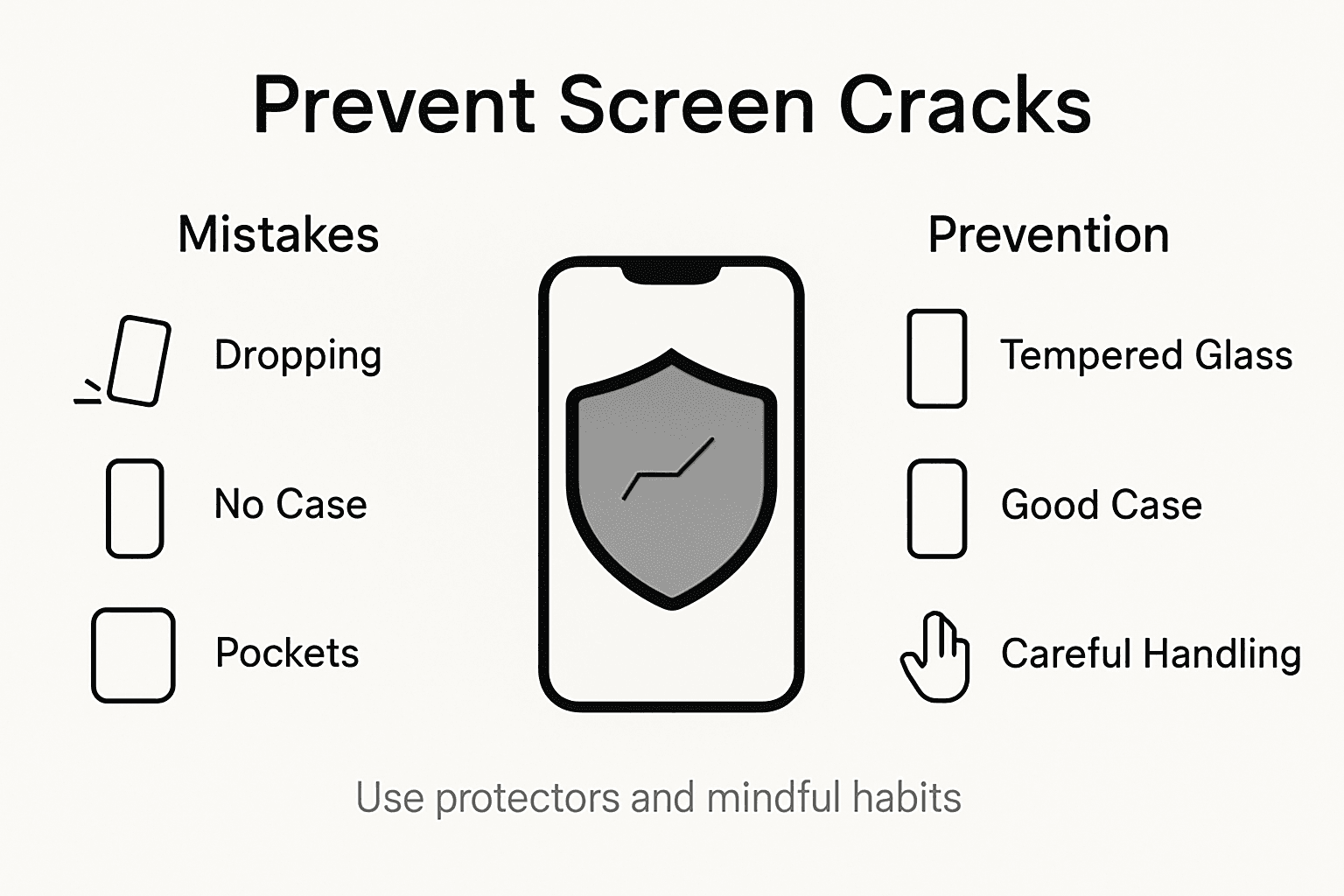
Screen protectors made from tempered glass or durable polyurethane offer an additional layer of defence against scratches and minor impacts. These protective films are engineered to absorb direct mechanical stress, creating a sacrificial barrier that preserves the underlying display’s integrity. Different protector finishes - matte or glossy - provide varying levels of protection and user experience, with premium options maintaining touchscreen sensitivity and preserving the device’s original oleophobic coatings.
Beyond physical accessories, user behaviour plays a crucial role in preventing screen damage. Developing mindful handling practices such as using two hands while carrying the device, avoiding precarious surfaces, and creating dedicated storage spaces can dramatically reduce accidental drops. Regular device maintenance, including cleaning screens with appropriate microfibre cloths and avoiding extreme temperature variations, further contributes to long-term screen preservation. Implementing a comprehensive protection strategy that combines high-quality accessories with conscious usage minimises the risk of expensive screen replacements.
Pro tip: Always keep your smartphone in a dedicated, padded compartment separate from keys, coins, and other hard objects that could potentially scratch or damage the screen.
Protect Your Smartphone Screen with Expert Repair Parts and Accessories
Understanding why phone screens crack helps you take control of your device’s durability. From the fragility of glass materials to the risks of accidental drops and improper handling, prevention and timely repair are key. At Buy2fix, we offer a wide range of mobile phone repair parts including high-quality LCD screens and replacement display assemblies designed to restore your device’s vibrant visuals and touchscreen functionality.
Don’t let a cracked screen disrupt your daily life or lead to costlier repairs. Explore our extensive selection of phone cases and screen protectors engineered to provide that essential extra layer of defence against impacts and scratches. Take action now to safeguard your investment with reliable parts and accessories available at Buy2fix. Whether you are a DIY enthusiast or a professional technician, our UK-based store ensures free UK Mainland shipping and a one-year warranty on quality tested components. Visit mobile phone repair parts and start protecting your smartphone today.
Frequently Asked Questions
Why do phone screens crack from accidental drops?
Accidental drops can compromise the structural integrity of a smartphone screen, causing fractures or shattering. The impact force is concentrated at the moment of contact, overwhelming the screen’s ability to absorb shock.
What materials are used in modern smartphone screens to enhance durability?
Modern smartphone screens often use materials like Gorilla Glass, which is chemically strengthened for improved resistance to scratches and impacts. Other materials, such as polycarbonate and sapphire crystal, are also used for their protective properties.
How can I prevent my phone screen from cracking?
To prevent screen damage, invest in a robust phone case and use a high-quality screen protector. Additionally, adopt mindful handling practices, such as using two hands when carrying your device and storing it in a dedicated compartment away from hard objects.
Are all smartphone screens equally resistant to damage?
No, smartphone screens vary in their resistance to damage due to differences in material composition and construction. For example, Gorilla Glass offers higher durability compared to conventional glass, while sapphire crystal excels in scratch resistance but may be more brittle.
Recommended
- Can a Cracked Cell Phone Screen Be Fixed? Complete Guide – buy2fix
- Complete Guide to iPhone 8 Cracked Screen Repair – buy2fix
- Understanding the Phone Screen Replacement Guide – buy2fix
- Back of iPhone Cracked – Repair Options and Risks – buy2fix
- What Causes Tiny Holes in Cotton T-Shirts?– Smoked Times
Let customers speak for us
item was packaged safely, no damage. it’s now October and since replacing it in January i’ve had no issues.

Great

They had what I was looking for ... ordering was easy, payment was easy, delivery was as promised.
-

Absolutely love this case! Heavy, sturdy and full coverage

Thank You! I really love it! 😊

For Garmin Forerunner 165 20mm Two Color Textured Silicone Watch Band(Teal)

For Samsung Galaxy S26+ 5G R-JUST Sliding Camera Life Waterproof Holder Phone Case(Black)

I ❤️ love it, it's absolutely amazing I'm sooo happy 😊

Great

I saw this item and it was just what I was looking for. I found it here but not in Amazon or e-bay. However, it was in UK, I was surprised to find that they were able to ship it to the US. Excellent company, would do business with again

This is great for when out and about, to sharpen either coloured pencils, or watercolour pencils….would order again.

Great items would bye again

I have purchased several items from this store before. Recently, I encountered an issue with my latest order. After reporting the problem to customer support, they were consistently attentive and made every effort to resolve the situation. Upon investigation, they acknowledged the issue and promptly fixed it. This experience has increased my level of trust in this store.
Thank you so much. I'm so happy.
